Connect with others who understand.

  •   Learn from expert-reviewed resources
  •   Real advice from people who’ve been there
  •   People who understand what you’re going through
Sign Up Log In
Powered By
Real members of MyCOPDTeam have posted questions and answers that support our community guidelines, and should not be taken as medical advice. Looking for the latest medically reviewed content by doctors and experts? Visit our resource section.
A MyCOPDTeam Member asked a question 💭
Doylestown, PA
March 27
 · 
Reactions
MyCOPDTeam

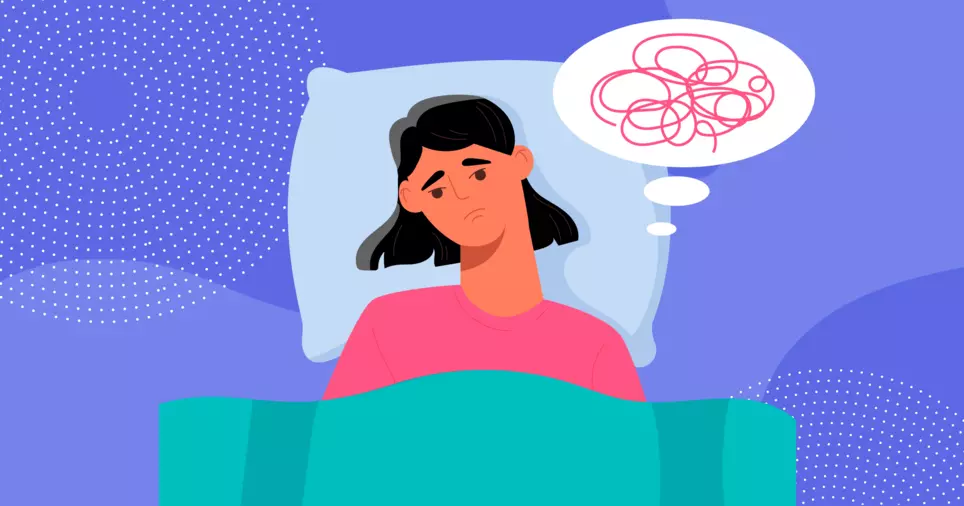
How does COPD relate to depression?

Living with COPD can significantly impact your mental health. People with COPD are more likely to experience depression than those without chronic conditions. This connection works both ways - depression can also affect how well you manage your COPD symptoms.

Several factors contribute Show Full Answer

How does COPD relate to depression?

Living with COPD can significantly impact your mental health. People with COPD are more likely to experience depression than those without chronic conditions. This connection works both ways - depression can also affect how well you manage your COPD symptoms.

Several factors contribute to depression in COPD:

- Physical limitations that prevent you from doing activities you once enjoyed
- Feeling isolated due to reduced mobility or frequent medical appointments
- Ongoing worry about your condition and its progression
- The stress of managing symptoms like breathlessness and fatigue
- Chemical and hormonal changes in your body
- Dependency on oxygen or other treatments

A MyCOPDTeam member shared: "I'm now learning how it feels to be dependent on an oxygen machine. [I'm] sad and depressed."

The good news is that treating depression can actually help improve your physical COPD symptoms. Working with both your healthcare provider and mental health professionals can address both conditions together. Treatment options include antidepressants, talk therapy, or a combination of both.

Many members find relief through:

- Regular counseling or therapy
- Gentle exercise like chair yoga or slow walks
- Meditation and mindfulness practices
- Journaling
- Maintaining hobbies and social connections
- Staying on your COPD treatment regimen

Remember, even mild depression symptoms can affect how well you care for yourself. If you're feeling persistently sad, worried, or empty, talk to your doctor about getting screened for depression.

March 27
A MyCOPDTeam Member

Sending hugs back to you!

*Pat*

Patricia Bennett
5112 Roseberry Dr
Doylestown, Pa 18902
Cell: (Phone number can only be seen by the question and answer creators)
Email: (Email address can only be seen by the question and answer creators)

March 28
A MyCOPDTeam Member

Hi Patricia, Yes I get depressed. With all chronic diseases depression will set in. It is something we need to be aware of. When you get depressed and down you take less care of yourself and get lazy, sit and lay around all day. You will progress faster.

Sometimes I vent. Sometimes I will talk with a close friend or even my sons about how I am struggling some times. They try to help keep me busy and mind off of it. Sometimes I meditate. Sometimes I will take a walk. I like to take a walk along the river by my childhood home along side the muddy Missouri. But you can not let depression stop you. We must keep moving. Some people get put on a low dose of antidepressants to help control it. Talk to your regular doctor about it, they can help. If you need someone to listen or you need to vent or cry, we all understand. Were all hear to share... Do you want to talk about it?

March 28

Related Questions

View All
A MyCOPDTeam Member asked a question 💭
Boulder, CO

A MyCOPDTeam Member asked a question 💭
Sheffield, UK

Continue with Facebook
Continue with Google
By joining, you accept our Terms of Use, and acknowledge our collection, sharing, and use of your data in accordance with our Health Data and Privacy policies.
Already a member? Log In