
Powered By



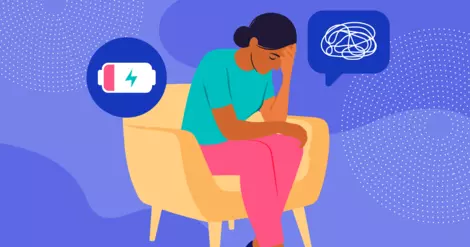
Everyone gets tired sometimes, but people with chronic obstructive pulmonary disease (COPD) are more likely to have persistent exhaustion, known as fatigue. “I’ve been extremely tired for weeks,” a MyCOPDTeam member said. “I sleep for 10 hours, get up, eat breakfast, and within hours, I have to take a nap that lasts anywhere from one to four hours!”
Sign up to view the results!
 Continue with Facebook
Continue with Email
Continue with Facebook
Continue with Email
The need to rest during the day can interfere with every aspect of life. It can make it harder to maintain a job and keep up with household chores. Fatigue can also leave you feeling isolated and misunderstood by your family and friends.
“I often feel like taking a nap during the day. This is fine when I’m home, but I have a hard time getting through the day when I’m working,” a MyCOPDTeam member shared.
“This disease has taken its toll on my body because I just can’t do what I used to,” explained another. “The fatigue is terrible. What’s harder is how others don’t understand why you’re always so tired.”
Keep reading to learn about how COPD causes fatigue and get tips to manage this symptom.
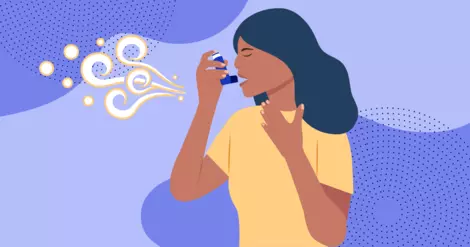
COPD is a lung disease that restricts airflow in the lungs. People with COPD often have trouble taking deep breaths and may wheeze or feel short of breath, especially with activity. Fatigue is also one of the most common symptoms of COPD. People have described it as feeling drained of energy or just generally tired.
Some people with COPD report feeling tired all the time, despite seeming to sleep well at night. This constant exhaustion can take a significant toll on quality of life. “I sleep nine to 10 hours per night, yet it’s hard to get up in the morning,” one member said. “Some days I feel like a walking zombie, just putting one foot in front of the other.”

“I get tired quickly and can’t do the work I used to do around the house, like cutting the grass,” another member wrote. “But I’ve found that if I take it easy and relax, I don’t get frustrated.”
COPD affects lung function due to damage and inflammation in the airways. As a result, your lungs have to work harder to take in the oxygen your body needs. As COPD gets worse, it tends to cause low oxygen levels and high carbon dioxide levels. This can leave you feeling fatigued.
In addition, life with COPD can be stressful. COPD raises the risk of anxiety and depression, both of which can affect energy levels and mood. COPD also interferes with energy-boosting sleep, exercise, and eating habits.
Some people with COPD may need more calories due to the extra energy used during labored breathing, especially in more advanced stages. However, shortness of breath can make eating more challenging. If you’re struggling to meet your body’s nutritional needs, it’s no wonder you’re feeling drained. Fortunately, some strategies and treatment options can help people with COPD get more energy.
Understanding what’s causing your fatigue can help you take steps to manage it. Start by following your COPD treatment plan. Oxygen therapy, pulmonary rehabilitation, and lifestyle changes can make a world of difference in how you feel. Not everyone qualifies for oxygen therapy, so be sure to speak with your healthcare provider about your treatment plan.
Related breathing and sleep issues can get in the way of a good night’s rest. “Insomnia is my constant problem. With asthma and COPD, lying flat in bed soon creates a restriction in my airways. I have tried stacking pillows so that I am in a sitting position, which helps a little, but my normal ‘night’s sleep’ is just a couple of hours,” one MyCOPDTeam member said.
Sleep apnea is another condition that causes disrupted sleep. Treatment often starts with lifestyle changes, such as avoiding alcohol, quitting smoking, and altering your sleep position.
If you have COPD and sleep apnea, and these changes aren’t enough, a continuous positive airway pressure (CPAP) machine may be recommended. “I had trouble sleeping and felt like my airways were collapsing until I tried CPAP,” one member shared. “Now I sleep through the whole night.”
If you have trouble sleeping or feel tired despite sleeping at night, check with a healthcare professional. You might be waking up at night without realizing it. Tests like a sleep study can show how well you’re actually sleeping and identify sleep disorders that could benefit from treatment.
Exercising may not be easy with COPD, but it offers several benefits. Physical activity can not only strengthen breathing muscles but also give you more energy. “I sleep 10 to 12 hours a day but also have congestive heart failure. I usually feel tired, but after some exercise, I tend to wake up,” a MyCOPDTeam member said.
“I find exercising helps if you pace yourself. Yes, you still get tired, but you can stay awake long enough to go to bed,” wrote another.
Discuss physical activity with your doctor before jumping into a new workout plan. Walking is often a good place to start, but you’ll need to make sure you’re getting enough oxygen to exercise safely. Completing a pulmonary rehabilitation program before starting a new exercise regimen may help. You can also try techniques like pursed lip breathing to help during workouts.
People with COPD may have a hard time getting the nutrition they need from food. If you have a deficiency in vitamins or minerals like folate, vitamin B12, or iron, you may feel more fatigued. Don’t take vitamins without talking to your doctor. They may recommend a blood test to check for deficiencies first.
Meeting with a registered dietitian may be another good way to get the most out of your meals. You could also consider changing the size and timing of meals. For example, it might be easier to eat several small meals throughout the day versus a few bigger meals.
Members of MyCOPDTeam have accepted the fact that sometimes, extra rest is a must. “Instead of trying to battle on and risk catching a cold or chest infection, I’ve learned to rest. If I sleep for most of that day, I generally bounce back the next,” one member said.
Another advised, “Have naps when necessary, and get a good night’s sleep. I relax to the music of the ’50s, my generation’s music, and try to go to bed at the same time every night. I get up early and do something first thing in the morning, then I know I have accomplished something that day.”
Some members find they get a boost from napping during the day, whereas others say they can’t sleep at night if they take a nap.
One member wrote that a nap with the CPAP machine is their trick for staying up later. “I took a long time getting used to the CPAP, but now it’s my best friend. My respiratory therapist suggested I use it whenever I get really sleepy,” they said. “I used to get so sleepy at 7 p.m. Now I lie down with my CPAP on at about 4 p.m. and rest or nap for about an hour. Then I can make it till 10 p.m.”
If you have extreme fatigue that continues for more than a day or two, give your healthcare provider a call. A little downtime can help, but it’s important to figure out if there’s another issue that needs treatment.
On MyCOPDTeam, people share their experiences with COPD, get advice, and find support from others who understand.
Does chronic fatigue from COPD get in the way of your daily activities? If so, what tips do you have for managing it? Let others know in the comments below.

Still have questions about your condition? I can help.
Get updates directly to your inbox.


Well I Do But My Doctor Told Me To Get Out And Get Some Fresh Air I Go To Mass Most Days And Home Again You See I Have To Use A Walker And I


 Continue with Facebook
Continue with Email
Continue with Facebook
Continue with Email
Continue with Facebook
Continue with Email
Continue with Facebook
Continue with Email
Become a member to get even more





 Join
Join

 Your Privacy Choices

This is a member-feature!
Sign up for free to view article comments.
I have had copd for 10yrs now I was always tired!!! Was in hospital last festives I had umonia got better now I am on a oxygen machine in the house still sleeping a lot will the oxygen help me have… read more
We'd love to hear from you! Please share your name and email to post and read comments.
You'll also get the latest articles directly to your inbox.