Connect with others who understand.

  •   Learn from expert-reviewed resources
  •   Real advice from people who’ve been there
  •   People who understand what you’re going through
Sign Up Log In
Powered By
Real members of MyCOPDTeam have posted questions and answers that support our community guidelines, and should not be taken as medical advice. Looking for the latest medically reviewed content by doctors and experts? Visit our resource section.
April 27
 · 
Reactions
A MyCOPDTeam Member

@A MyCOPDTeam Member,I am a CO2 retainer and when I sleep I put my oxygen level to 1 as you don't need as much oxygen when you are sleeping,I had a sleeping test and it showed that my oxygen levels were too high so the therapist said to put machine to 1 and then at a later date it showed that I was a CO2 retainer so now I have to keep my oxygen levels between 88-92, which is almost impossible since I'm using 2 litres of oxygen daily , getting back to night oxygen when you lay down oxygen levels will go up higher then 92 but as you fall asleep they fall down to safe level ,it gives me anxiety but I have to lean on my faith that my oxygen will come down to a safe level,good luck and breathe easy!πŸ™πŸ™πŸ™ April 28,2026

April 27 (edited)
A MyCOPDTeam Member

I am a CO2 retainer and not on a CPAP or bipap machine but I am considered a special patient and must carry a card with me at all times and I can call 911;and get ambulance services out to check me over 24 and 7, I'd used the proper words but can't remember them at this time,

May 3 (edited)
MyCOPDTeam

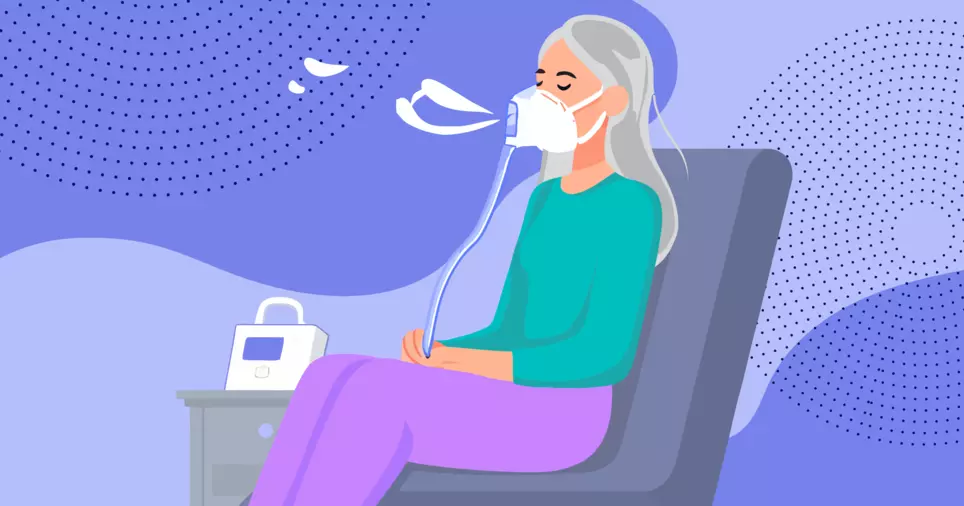
Is it safe to use a lower oxygen flow rate while sleeping to prevent CO2 buildup with COPD?

This is a really important question, and it's one that should be guided by a doctor or respiratory therapist rather than adjusted on your own. Using too little oxygen can be just as risky as using too much. Here's what's worth Show Full Answer

Is it safe to use a lower oxygen flow rate while sleeping to prevent CO2 buildup with COPD?

This is a really important question, and it's one that should be guided by a doctor or respiratory therapist rather than adjusted on your own. Using too little oxygen can be just as risky as using too much. Here's what's worth knowing:

- Some people with COPD do retain CO2 (called hypercapnia), and oxygen flow rates need to be carefully balanced to avoid worsening this
- Oxygen prescriptions are tailored specifically to your needs β€” at rest, during activity, and during sleep, as these can all differ
- A sleep study can reveal how your oxygen and breathing actually behave overnight, which helps your doctor fine-tune your prescription
- A pulse oximeter at home can help track your oxygen saturation β€” a reading consistently below 90–92% is worth flagging to your doctor

The safest step is to talk to your healthcare provider about getting your oxygen levels tested during sleep. They can determine the right flow rate that keeps your oxygen up without risking CO2 buildup. Adjusting it yourself could do more harm than good β€” your lungs deserve better than guesswork!

April 27
A MyCOPDTeam Member

:)

May 4
A MyCOPDTeam Member

No I follow what is prescribed! Do not self adjust. [Can cause more damage.]
If you are a retainer you need a C-Pap or BiPap machine to help clear out your CO2. Just lowering your oxygen does not do it for you.


May 3

Related Questions

View All
A MyCOPDTeam Member asked a question πŸ’­
Oaklyn, NJ

A MyCOPDTeam Member asked a question πŸ’­
Van Buren, AR