
Powered By



Chronic obstructive pulmonary disease (COPD) is a group of lung diseases that make breathing more difficult. Whether you’re living with emphysema, chronic bronchitis, or another form of COPD, learning new ways to manage symptoms can improve your quality of life, especially when those tips come from people who understand what it’s like to live with wheezing, breathlessness, and other symptoms of COPD.
Here are five daily habits shared by members of MyCOPDTeam that may help you breathe easier and feel better. Remember, always talk with your doctor before making changes to your routine.
Exercising might not seem like an obvious choice when you’re living with a chronic lung disease. But regular physical activity offers many benefits. It can boost energy levels, improve sleep, support heart health, and help your body use oxygen efficiently. Even small changes can make a big difference.
One MyCOPDTeam member said, “I find that exercise is one of my most effective tools. Just keep doing it, and you will find that things are getting better.”
Other members shared similar experiences:
Before starting a new exercise program, talk with your healthcare provider. While 20 to 30 minutes of activity three or four days a week may be considered moderate exercise for some people with COPD, your care team can help you set safe, realistic goals based on your overall health and treatment plan.
Whether you’re walking, climbing stairs, swimming, or lifting weights, pay attention to how your body feels. If you experience unusual shortness of breath, dizziness, chest tightness, or pain, stop exercising and seek medical attention.
Although there’s no cure for COPD, symptoms and flare-ups can often be managed. Treatments may include inhalers, corticosteroids (steroids), oxygen therapy, antibiotics for respiratory infections, or support to help you quit smoking. Your healthcare provider will recommend medications and therapies based on your specific symptoms.
It’s important to follow your treatment plan. If you skip a dose or stop taking your medication, this can make your symptoms harder to control. Talk to your healthcare team if you have questions or concerns about your COPD medications. They may be able to adjust your doses or frequency to help you feel more comfortable while still managing your COPD effectively.

As one MyCOPDTeam member said, “Don’t skip your medicines!”
One treatment your doctor may recommend is pulmonary rehabilitation. These programs usually last six to 12 weeks and combine exercise and education. You’ll build endurance and strength while learning breathing techniques and tips for managing daily life with lung disease. Some programs also offer nutrition and mental health support, along with information on making healthy lifestyle changes.
“Pulmonary rehabilitation is meant for all of us with COPD and other debilitating lung diseases and disorders,” said one MyCOPDTeam member. “The amount of information, exercise, and guidance on diet and medication issues makes it a great resource. This is what these people do, and they gear everything to fit you.”
Here’s what other members said about pulmonary rehabilitation:
Ask your healthcare provider for help finding a pulmonary rehabilitation program near you. You can also search online using directories provided by Live Better with Pulmonary Rehabilitation and the American Association of Cardiovascular and Pulmonary Rehabilitation.
Some MyCOPDTeam members find that eating five or six smaller meals throughout the day helps reduce pressure on their lungs, which makes breathing easier. According to the American Lung Association, eating smaller meals may improve airflow and reduce discomfort.
When your stomach is very full, it can push up against the diaphragm, the muscle that helps you breathe. This makes it more difficult for your lungs to fill and empty. Eating smaller portions more often can help ease this pressure if you have trouble breathing.
Here’s what members shared:
In addition to how much you eat, what you eat can affect your breathing and overall health. Two members shared these tips:
If you need help creating a healthy diet for COPD, talk to your healthcare provider or a registered dietitian who specializes in COPD.
Whether you’re indoors or outdoors, the air you breathe can have a big impact on your health, especially if you’re living with COPD. Poor air quality, extreme temperatures, pollen, and air pollution can all make symptoms worse.
Members of MyCOPDTeam recommend paying attention to your environment and minimizing potential risks to your lung health and overall health.
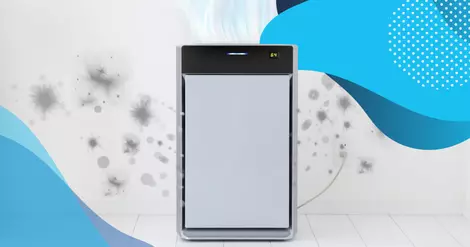
“High wind and cold wind should be kept away from your lungs, so wear a soft scarf and cover your mouth and nose loosely,” one member advised. Another said, “Pollen can mess with COPD. Sometimes it helps to avoid the outdoors. You might even want to get an air purifier.”
Whether you’re trying to avoid catching a loved one’s cold or prevent situations where you could feel short of breath, these tips from MyCOPDTeam members may help:
While you can’t control the weather or air quality, taking steps to protect your lung health can help reduce COPD flare-ups and support better breathing.
On MyCOPDTeam, people share their experiences with COPD, get advice, and find support from others who understand.
What daily habits help you breathe easier and feel better? Let others know in the comments below.

Still have questions about your condition? I can help.
Get updates directly to your inbox.


I'm bringing up clots of blood in the morning. Is this normal with c. O. P d
 Continue with Facebook
Continue with Email
Continue with Facebook
Continue with Email
Continue with Facebook
Continue with Email
Continue with Facebook
Continue with Email
Become a member to get even more





 Join
Join

 Your Privacy Choices

This is a member-feature!
Sign up for free to view article comments.
It would be nice if able to show video of some type of exercises for different people for different health concerns..more specifically for this site maybe to improve lung capabilities…what do you guys… read more
We'd love to hear from you! Please share your name and email to post and read comments.
You'll also get the latest articles directly to your inbox.