
Powered By



Living with chronic obstructive pulmonary disease (COPD) means you don’t breathe as well as you used to. But some days, it can seem extra hard to catch your breath, take a deep breath, or stop coughing. This worsening of symptoms is called a COPD flare-up.
Sign up to view the results!
 Continue with Facebook
Continue with Email
Continue with Facebook
Continue with Email
An estimated 30 percent to 50 percent of people with COPD experience at least one flare-up each year. Although they’re acute (temporary), it can take weeks to recover from a flare-up, and severe cases may require hospitalization. Here’s what you need to know before your first flare-up hits.
A COPD flare-up, also called a COPD exacerbation, occurs when your everyday symptoms get worse or new symptoms appear. COPD symptoms can fluctuate a little bit throughout the day, but flare-ups tend to last longer and be more serious, usually requiring some kind of medication or other intervention.
The Global Initiative for Obstructive Lung Disease (GOLD) categorizes the severity of COPD flare-ups based on the level of treatment required:
Some COPD flare-ups can develop in a matter of hours, while others take days.
Flare-up durations can vary significantly from person to person and episode to episode. According to the American Lung Association, COPD flare-ups can last two or more days.
Some MyCOPDTeam members have experienced COPD flare-ups that last for weeks:

About 20 percent of people with COPD report at least one lingering symptom eight weeks after the onset of a flare-up.
People often report the following symptoms during a COPD flare-up:
Sometimes people also feel confused or disoriented, report a fever or other symptoms of infection, or notice swelling in their feet or ankles.
Here’s how members of MyCOPDTeam describe their COPD flare-ups:
COPD flare-ups often occur in response to certain things in the environment, especially the following:
All of the above can irritate the respiratory system, causing inflammation, narrow airways, and mucus production. Failing to take your COPD medication as prescribed can also make your symptoms worse.
Everyone reacts to COPD triggers differently. Something that causes a flare-up in one person may not cause an issue in another person. To identify your triggers, keep a detailed log of your flare-ups and the circumstances that led up to them. You may be able to avoid some triggers, but others — like stormy weather — can be tricky to get away from.
MyCOPDTeam members share some of their triggers and what it’s like to deal with them:
Smoking is the most common cause of COPD, and smoking or breathing second-hand smoke can make symptoms worse. Experts recommend quitting smoking to prevent COPD exacerbations.
It’s also important to reduce your risk of a respiratory infection by doing the following:
Some MyCOPDTeam members also rely on air purifiers to remove triggers like dust and pollen from indoor air:
Mild COPD flare-ups can typically be treated at home with bronchodilators, steroids, and antibiotics. Your healthcare provider will write you a prescription for these medications so you can have them on hand in the event of a flare-up. You may hear it called a rescue pack.
Everyone’s rescue pack looks a little different, so it’s important to talk to your doctor about when to use each medication.
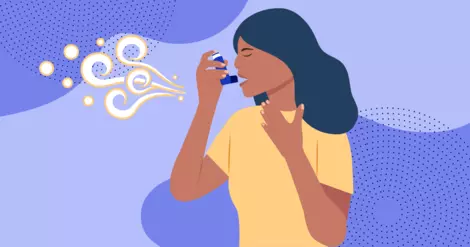
Typically, you’ll use bronchodilators (through an inhaler or nebulizer) when you’re coughing or having trouble breathing. These fast-acting drugs help the airways open and relax so that you can take deeper breaths. Depending on the severity of your COPD, you may be advised to use certain inhalers every day or right before physical activity to help prevent flare-ups. Other inhalers are only intended for flare-ups, not for everyday maintenance.
Corticosteroids can be inhaled or taken orally. They reduce inflammation around the airways to make it easier to breathe. Like bronchodilators, steroids might be taken daily or on an as-needed basis to prevent or treat flare-ups. In the event of a severe flare-up, corticosteroids can also be delivered intravenously at the hospital.
Antibiotics may be included in your rescue pack to help you quickly treat infections before they trigger a flare-up. Antibiotic resistance is a significant concern, so antibiotics should only be used to treat a known infection, not to prevent one.
A COPD flare-up can become a life-threatening emergency if you’re unable to get enough oxygen. Call 911 or ask someone to drive you to the nearest emergency room if you notice any of the following symptoms:
You should also seek immediate medical care if you experience a mild or moderate COPD flare-up but don’t have access to your rescue pack. Delayed treatment could lead to lung failure.
On MyCOPDTeam, people share their experiences with COPD, get advice, and find support from others who understand.
What seems to trigger your COPD flare-ups? What symptoms do you experience? Let others know in the comments below.

Still have questions about your condition? I can help.
Get updates directly to your inbox.


I got a another dog 3 months ago and I think its causing my breathing to be worse any thing I can do other getting her re homed


 Continue with Facebook
Continue with Email
Continue with Facebook
Continue with Email
Continue with Facebook
Continue with Email
Continue with Facebook
Continue with Email
Become a member to get even more





 Join
Join

 Your Privacy Choices

This is a member-feature!
Sign up for free to view article comments.
When the weather changes my COPD acts up I cough untill I get sick
We'd love to hear from you! Please share your name and email to post and read comments.
You'll also get the latest articles directly to your inbox.