
Powered By



Has your doctor mentioned starting oxygen therapy to treat hypoxia (low oxygen levels) caused by your COPD? Oxygen therapy for COPD can help protect your organs and improve your quality of life, but understanding how it works can be confusing.
Sign up to view the results!
 Continue with Facebook
Continue with Email
Continue with Facebook
Continue with Email
This article will discuss how COPD affects oxygen levels, the different types of oxygen systems and prescriptions, and tips for using oxygen. Ask your healthcare team to explain what type of oxygen therapy is most appropriate for your COPD symptoms and lifestyle.
People typically develop COPD due to long-term exposure to lung irritants, such as chemicals, smoke, and dust. These irritants can enter the lungs and damage the airways (bronchi and bronchioles). Irritants can also damage the small alveoli (air sacs) that absorb oxygen, which can trap old air in the lungs. Both types of damage can block airflow and prevent oxygen from reaching the body.
As COPD progresses, airflow and oxygen intake can worsen, and people may experience more frequent episodes when symptoms act up (called exacerbations or flare-ups). People may begin experiencing low oxygen levels, which can cause life-threatening organ issues.
Oxygen levels are most commonly measured using a pulse oximeter, which is a finger clip or sensor that tells you how much oxygen is saturated (concentrated) in your blood.
A doctor may also measure this using arterial blood gas tests that sample blood from a major oxygen-carrying blood vessel. They may also use lung function tests to measure how well you’re breathing and sending oxygen to your body.
A healthy blood oxygen saturation is 95 percent or higher. If your oxygen saturation drops to 88 percent or lower, your doctor may prescribe supplemental oxygen to raise it to the best target range for you. Research suggests that higher saturations can be associated with other life-threatening issues in some people with COPD, so your doctor may suggest a target range up to 92 percent. Always follow your doctor’s oxygen level recommendations to avoid complications.

You can also tell if your oxygen is low when you experience symptoms, including:
Only use oxygen as your doctor tells you. Too much oxygen can cause the buildup of carbon dioxide in some people with COPD, which can make you feel worse. This is called oxygen-induced hypercapnia. Too much oxygen can also lead to oxygen poisoning, which can cause symptoms like chest pain, breathing difficulties, dizziness, and nausea.
When your doctor prescribes oxygen, they typically suggest one of three main types of oxygen therapy systems:
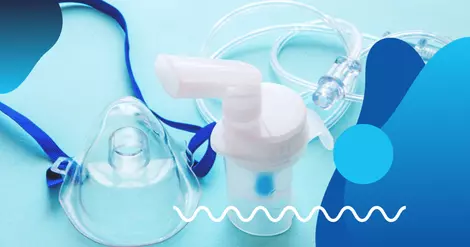
Each system can deliver oxygen through a face mask or nasal cannula (a thin tube with prongs that sit in your nose).
Many MyCOPDTeam members use multiple oxygen systems to support their lifestyle. “I have a concentrator for home use and a portable tank for out of the house when needed,” wrote one member. If you think you’ll need more than one system, talk to your doctor and insurance company to see what’s covered.
Oxygen tanks are metal containers that store pure, prefilled, pressurized (compressed) oxygen. Each tank usually has an adjustable regulator to control oxygen flow. Tanks vary in size, and your doctor will prescribe the best size for your oxygen needs. The smaller the tank, the more portable it is (but the less oxygen it holds).
These tanks will run out of oxygen, but they should have gauges that show how much oxygen is left. Once the tank is empty, an oxygen supplier can replace it or you can refill it yourself using a refill system if you have one.
Oxygen concentrators are machines that suck in air from the room and compress the oxygen. This produces air with 90 percent to 95 percent oxygen (compared with air’s typical 20 percent oxygen). There’s no tank or container because the oxygen concentrator works constantly to provide a steady oxygen flow wherever you go and for as long as you need it.
Some concentrators are smaller, battery-powered, and more portable, but they don’t have as high an oxygen flow as the 22-pound stationary options for home use only. People who use portable options need to watch their battery levels, as the concentrator will eventually need recharging or battery replacement.
Liquid oxygen containers store pure oxygen as a super-cooled fluid. Once oxygen is released, it becomes a breathable gas.
This type of oxygen therapy is prescribed to people who need high levels of oxygen because it can hold more oxygen in a concentrated form, so it lasts longer. It’s also lighter in weight than other oxygen systems, so it’s more portable for people on the go. But handling super-cooled liquid is tricky. If not done carefully, refilling a portable tank can cause frostbite (skin burns caused by cold temperatures).
Unfortunately, liquid oxygen can be hard to get. It tends to be more expensive for suppliers to store and distribute than other forms of oxygen.
Your oxygen prescription depends on your COPD symptoms. Some people need oxygen during physical activity or sleep, while others need it all the time. With the right oxygen therapy prescription, you may have more energy and feel less breathless when doing everyday activities.
Keep in mind that COPD is a progressive condition, which means it can get worse with time. It’s important to check in with your doctor regularly to monitor your health status and adjust oxygen use, flow rates, or equipment needs as necessary.
Handling oxygen devices can be dangerous. You should know how to use oxygen without harming yourself or others. Here are a few tips that can help you stay safe.
Oxygen devices often have long tubes or cords that are easy to trip over. Be careful as you move around your house and in public, and be mindful of loose tubing so it doesn’t get caught or cause you (or someone else) to fall.
Oxygen itself does not burn or explode, but it makes other things catch fire and burn much faster. Keep oxygen tanks or concentrators at least five to 10 feet away from open flames, heat, and things that can spark, like cigarettes, vapes, fireplaces, gas stoves, space heaters, and hair dryers.
You also want to keep materials that are easily flammable away, such as cleaning materials or oil-based products (like petroleum jelly).
One MyCOPDTeam member said that their friend smoked while on oxygen, which once caused the hose to catch fire. “They were always dragging the hose through the ashtray where he’d place his lit cigarette,” the member wrote.
Another member asked the oxygen delivery technician to teach their mother about the safe use of her stove during oxygen therapy. If you have questions about practical oxygen use during everyday activities, ask an expert who can give you safety tips specific to your daily routine.
Make sure oxygen tanks are stored upright and kept stable during use. If a tank falls and cracks, the release of pressure can cause an explosion.
Also, store your oxygen tanks in an area with good airflow. Even when not in use, the tanks release small amounts of oxygen into the air. Oxygen-rich air is a fire hazard.
Cotton clothing is less likely to cause static electricity sparks than other materials, such as wool, nylon, and synthetic fibers. You may also need to consider cotton bedding, especially if you use oxygen at night.
Check that all smoke alarms in your home have batteries and work correctly. If you haven’t already, equip your home with a fire extinguisher and learn how to use it properly. Remember PASS if you ever need to put out a flame:
On MyCOPDTeam, people share their experiences with COPD, get advice, and find support from others who understand.
If you’re using oxygen therapy for COPD, what’s been your experience? Let others know in the comments below.

Still have questions about your condition? I can help.
Get updates directly to your inbox.


 Continue with Facebook
Continue with Email
Continue with Facebook
Continue with Email
Continue with Facebook
Continue with Email
Continue with Facebook
Continue with Email
Become a member to get even more





 Join
Join


 Your Privacy Choices

This is a member-feature!
Sign up for free to view article comments.
I'm on oxygen 24/7 I have lost.weight b/c of not eating like I need to. It takes oxygen to digest your food.I drink protein shakes and yogurt every day and it helps.only you and God knows what it's… read more
We'd love to hear from you! Please share your name and email to post and read comments.
You'll also get the latest articles directly to your inbox.