Connect with others who understand.

  •   Learn from expert-reviewed resources
  •   Real advice from people who’ve been there
  •   People who understand what you’re going through
Sign Up Log In
Powered By
Real members of MyCOPDTeam have posted questions and answers that support our community guidelines, and should not be taken as medical advice. Looking for the latest medically reviewed content by doctors and experts? Visit our resource section.
A MyCOPDTeam Member asked a question 💭
Old Fort, NC
October 4
 · 
Reactions
A MyCOPDTeam Member

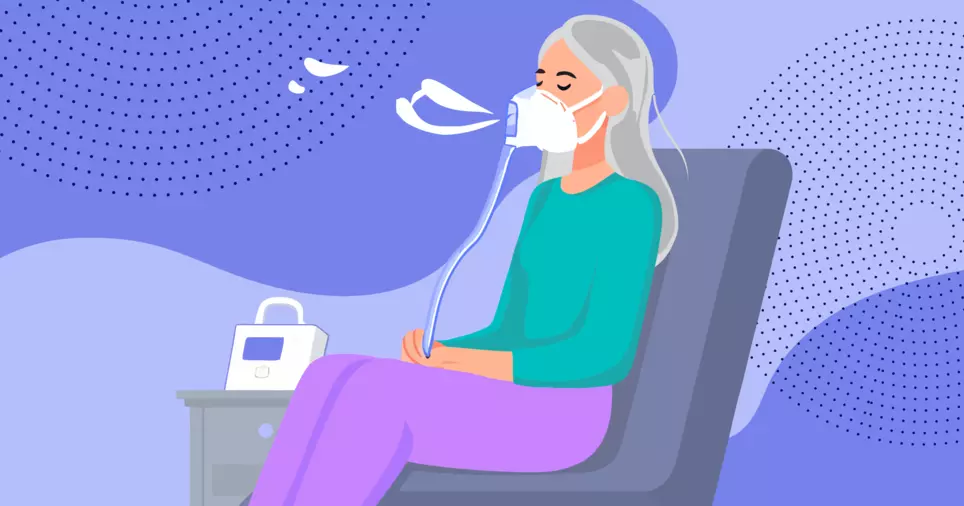
I have been using oxygen at night since the middle of June. I have learned quite a bit about what triggers my inability to breathe. My environment is a huge factor. My roommate smokes and doesn’t clean. Staying in my room with an air purifier is making breathing easier!

October 5
A MyCOPDTeam Member

I don't know about most people. But I started with nocturnal oxygen when I was stage 2. It was because of a night time odometer's test the doctor had me do. I would quit breathing for a total of 4 minuets throughout the night. That way I would have some purer oxygen to breath when I started breathing again. I have been on 2l at night ever since then. Now it is actually comforting to know I have it. It took some getting used to and I have been tied up in the hose several times before. Lol, but now have learned not to roll over in bed anymore.

It is normal of everyones breathing to slow down while at sleep. Our lungs only chance to rest is while we are sleeping, so our oxygen percentage will drop for short bits during the night.

October 5
MyCOPDTeam

Most people with stage 2 COPD do not routinely need oxygen at night. Supplemental oxygen is typically prescribed when oxygen levels drop to concerning levels — either during activity, sleep, or all the time — and this is more common in later stages of COPD. That said, everyone's situation is different. A doctor can check Show Full Answer

Most people with stage 2 COPD do not routinely need oxygen at night. Supplemental oxygen is typically prescribed when oxygen levels drop to concerning levels — either during activity, sleep, or all the time — and this is more common in later stages of COPD. That said, everyone's situation is different. A doctor can check oxygen levels during sleep using an oximetry test to find out if nighttime oxygen therapy would be beneficial. It's only recommended when there's a clear need based on those results.

Here's what's generally considered when deciding on nighttime oxygen:

- Oxygen saturation levels — a good level is around 90–92% or above
- Symptoms — like waking up feeling breathless or unrefreshed
- Test results — oximetry or arterial blood gas tests done during sleep

If there's any concern about oxygen levels at night, it's worth bringing up with a doctor. They can run the right tests and tailor a plan that fits the specific stage and symptoms.

October 4

Related Questions

View All
A MyCOPDTeam Member asked a question 💭
Banning, CA

A MyCOPDTeam Member asked a question 💭
Oaklyn, NJ

Continue with Facebook
Continue with Google
By joining, you accept our Terms of Use, and acknowledge our collection, sharing, and use of your data in accordance with our Health Data and Privacy policies.
Already a member? Log In