
Powered By



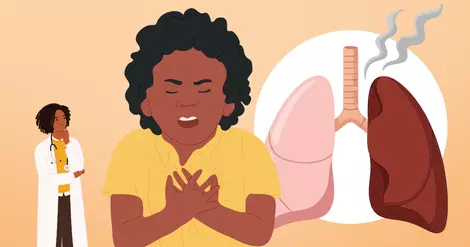
A blast of winter air can turn a short walk to the mailbox into a breathing challenge when you have chronic obstructive pulmonary disease (COPD). Cold weather doesn’t just make you feel chilled. Cold, dry air can irritate the airways and lead to COPD flare-ups, making symptoms such as coughing, wheezing, and shortness of breath harder to manage.
Winter can also bring other COPD flare triggers, including respiratory infections and indoor air pollutants. Knowing what’s happening in your lungs can help you plan for colder days without having to give up activities you enjoy.
This article explains why COPD symptoms can worsen in cold weather, who may be more sensitive to the cold, how to protect your lungs, and when a change in symptoms calls for medical care.
Sign up to view the results!
 Continue with Facebook
Continue with Email
Continue with Facebook
Continue with Email
Cold weather can worsen COPD symptoms in several ways. Cold, dry air may irritate the lining of the airways, increase mucus, and trigger bronchoconstriction.
Bronchoconstriction means the muscles around the breathing tubes tighten, leaving less room for air to move. For lungs already affected by COPD, that extra narrowing can make breathing feel harder.
One MyCOPDTeam member said, “This was a very cold, hard winter, and by January I was afraid to go outside because I couldn’t breathe.” They described becoming increasingly isolated as the winter went on.
Cold air usually contains less moisture than warm air. As your airways warm and humidify each breath, cold air can dry out the thin layer of fluid that protects the airway lining. Research suggests cold air can also promote airway inflammation and increase mucus secretion, making it harder for the lungs to clear mucus.
In one study, each 5-degree Celsius (9-degree Fahrenheit) drop in outdoor temperature was associated with 25 percent higher odds of worsening cough and phlegm symptoms.
A small study of 20 people with stable COPD found that cooling the face played a major role in cold-related bronchoconstriction. Breathing very cold air directly into the lungs also narrowed the airways in people with COPD when they were breathing heavily, as can happen during exercise.
This helps explain why both covering your face and avoiding strenuous outdoor activity in cold weather may help protect you from worsening symptoms.

Some people with COPD may be more affected by cold weather than others. A study in Taiwan looked at 16,254 people with COPD and found that older adults and people who had not taken inhaled medication were more likely to experience a flare-up due to lower temperatures.
Cold exposure is the obvious part of the picture. But COPD flare-ups occur more often in winter in many milder climates, too. Researchers think low temperatures, respiratory infections, and other seasonal exposures can overlap, putting extra stress on already sensitive airways.
Respiratory infections are an important cause of COPD flare-ups. Research suggests that the increase in COPD flare-ups during winter may be partly related to respiratory viruses that circulate more often during colder months.
An infection can increase airway inflammation and mucus, while cold air already makes breathing more difficult. The combination may lead to more coughing, wheezing, phlegm, or shortness of breath than cold exposure alone.
Cold weather often means spending more time inside with the windows and doors closed. The American Lung Association notes that indoor pollutants can increase lung inflammation and COPD symptoms, as well as reduce lung function.
Indoor particles that can irritate the lungs include:
A COPD flare-up is a noticeable worsening of symptoms beyond your usual day-to-day changes.
Warning signs of a COPD flare-up can include:
Use your COPD action plan when symptoms stray from your normal baseline. If you don’t have a written plan, ask your healthcare provider about creating one before cold weather arrives.
Preventing cold weather COPD flare-ups doesn’t mean staying indoors all winter. A few practical steps can reduce cold exposure and help you stay active. Your COPD action plan and your healthcare provider’s instructions should guide decisions about medicines and changes in symptoms.
Protect your lungs during cold weather by:
Covering your nose and mouth — Loosely wear a scarf, gaiter, or mask over your nose and mouth to help warm the air before you breathe it in. Also try to breathe in through your nose and out through your mouth.
Moving exercise indoors — On very cold days, consider walking indoors or doing your usual home or pulmonary rehabilitation exercises inside.
Keeping indoor air comfortable — Heating can make indoor air feel dry, so consider a humidifier to make indoor air more comfortable. Too much humidity can encourage mold, though, so keep indoor humidity around 30 percent to 50 percent.
Limiting indoor pollutants — Keep your home and car smoke-free, and avoid burning wood, candles, or incense indoors. Also use exhaust fans when cooking, clean regularly to reduce dust and dander, and consider a HEPA air purifier to help remove particles that can irritate your lungs.
Staying current with vaccinations — Limiting respiratory infections will reduce one risk factor for COPD flare-ups. Make sure you’re up to date on influenza, pneumococcal, respiratory syncytial virus (RSV), and COVID-19 vaccines.
Following your medication plan — Take maintenance inhalers as prescribed, and keep your rescue inhaler available. Use quick-relief medicine exactly as your COPD action plan or healthcare provider directs, including when cold weather starts to trigger symptoms.
Increased shortness of breath, coughing, or mucus changes that don’t improve after following your treatment plan are all reasons to check in with your healthcare provider.
Some symptoms need emergency care. Call 911 or seek immediate medical help if you experience:
Don’t assume a major change in your breathing is simply caused by cold weather. A respiratory infection or another health problem may be the cause and need prompt treatment.
On MyCOPDTeam, people share their experiences with COPD, get advice, and find support from others who understand.
What helps you protect your breathing when the temperature drops? Let others know in the comments below.
Get updates directly to your inbox.


 Continue with Facebook
Continue with Email
Continue with Facebook
Continue with Email
Continue with Facebook
Continue with Email
Continue with Facebook
Continue with Email
Become a member to get even more





 Join
Join


 Your Privacy Choices

This is a member-feature!
Sign up for free to view article comments.
Hi All
During the cold weather it’s very important to breathe through your nose all the time ,day and night.✅
The reason being that,the nose filter,warms ,humidifier and limits the amount of sir… read more
We'd love to hear from you! Please share your name and email to post and read comments.
You'll also get the latest articles directly to your inbox.